Bangkok: Temples by Morning, Markets by Night
Bangkok rewards an early alarm. The riverside temples are cool and quiet at 8:30 and airless by 1 p.m. Work with the clock and the city gets much easier.
Bangkok's three seasons
The cool season, roughly November to February, is the most comfortable time, with highs around 31°C and low humidity. March to May is the hot season; April often passes 35°C and Songkran, from 13 to 15 April, turns whole streets into water fights. June to October brings the rains, typically a heavy late-afternoon storm that floods some streets for an hour and then clears.
The temple route below works in any month. In the rainy season, it is even more important to finish outdoor sightseeing before the afternoon storms.
The long morning, step by step
Entry prices below were correct when we last checked and do change; carry cash in Thai baht for the smaller temples.
- 8:00, Tha Chang pierArrive by Chao Phraya Express Boat (orange-flag line) or taxi. Dress for temples before you leave the hotel.
- 8:30, Grand Palace and Wat Phra KaewGates open at 8:30 and close at 3:30 p.m. Entry is 500 baht for foreigners. Allow 90 minutes for the Emerald Buddha and the palace buildings.
- 10:30, Wat PhoA ten-minute walk south. The 46-metre reclining Buddha is gilded from head to foot, and the temple runs one of Thailand's best-known traditional massage schools. Entry 300 baht.
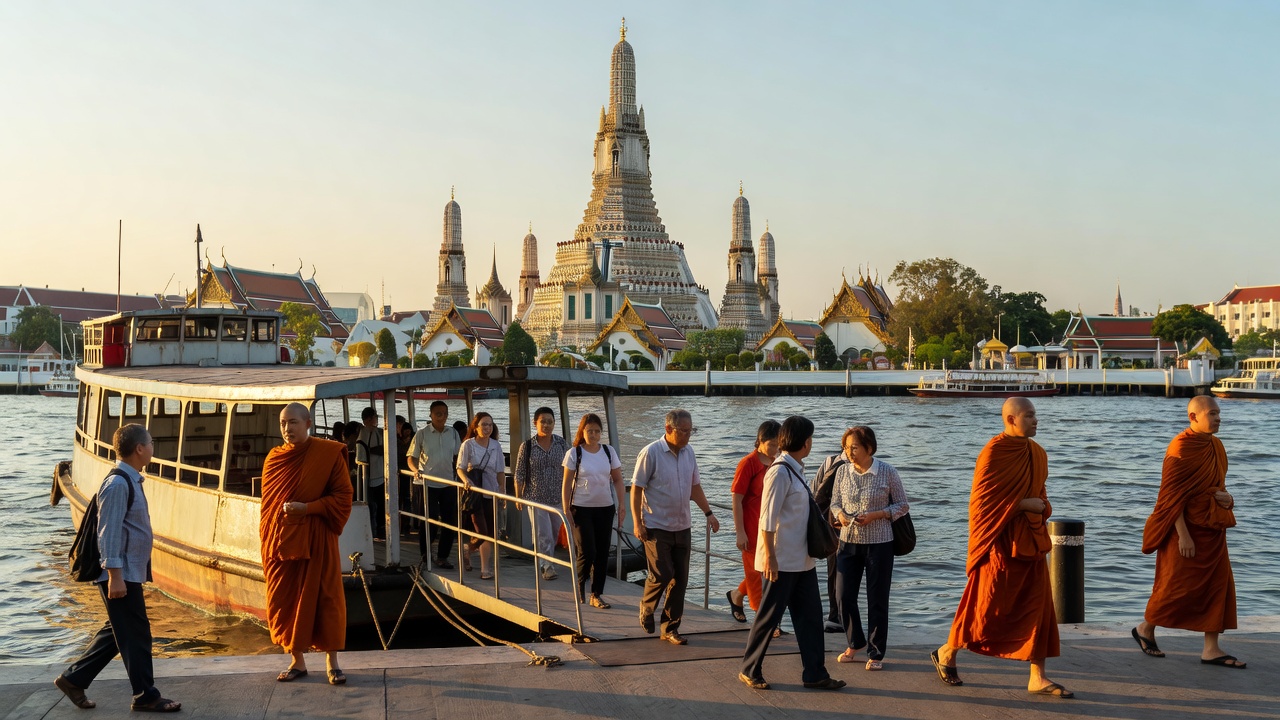
- 12:00, ferry from Tha TienThe cross-river boat takes a few minutes and costs a few baht. Wat Arun's central prang is covered in pieces of Chinese porcelain. Entry 200 baht.
- 13:00 onwardsLunch, then rest somewhere air-conditioned. You have earned it.
If a friendly stranger near the Grand Palace tells you it is closed today for a ceremony, smile and keep walking. It is a long-running scam that ends at a gem shop.
Dress notes for the Grand Palace
The Grand Palace applies the strictest code in the country, and staff check at the gate.
- TopsSleeves covering the shoulders. No sleeveless tops, no see-through fabric.
- BottomsLong trousers or a skirt below the knee. No leggings, ripped jeans or shorts.
- FootwearSandals are generally accepted; you will remove them inside the chapel of the Emerald Buddha anyway.
- Cover-upsA sarong or shawl tied over shorts usually works. Stalls outside sell elephant trousers for around 100 to 200 baht.
- Inside the chapelNo photographs of the Emerald Buddha. Sit with feet tucked behind you.
Yaowarat after dark
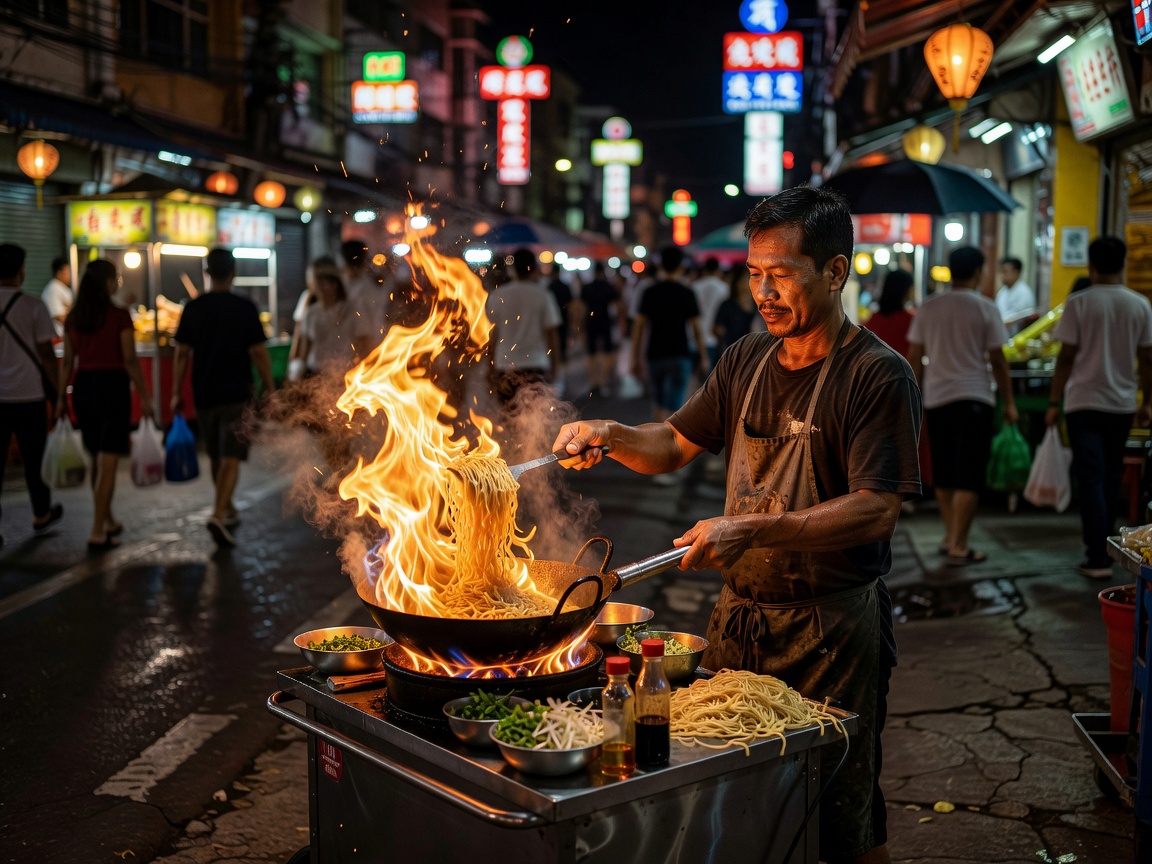
Bangkok's Chinatown is a daytime market for dried goods, gold and Chinese herbs. Around 6 p.m. the food stalls roll out along Yaowarat Road and the lanes off it. Look for crispy pork noodle soup, grilled seafood, oyster omelettes and bird's nest dessert.
Wat Mangkon Kamalawat, the district's largest Chinese Buddhist temple, is worth a stop on the way in. The MRT stop is Wat Mangkon, a short walk from the main strip. Many stalls rest on Mondays, so plan another night if you can.
Floating and railway markets
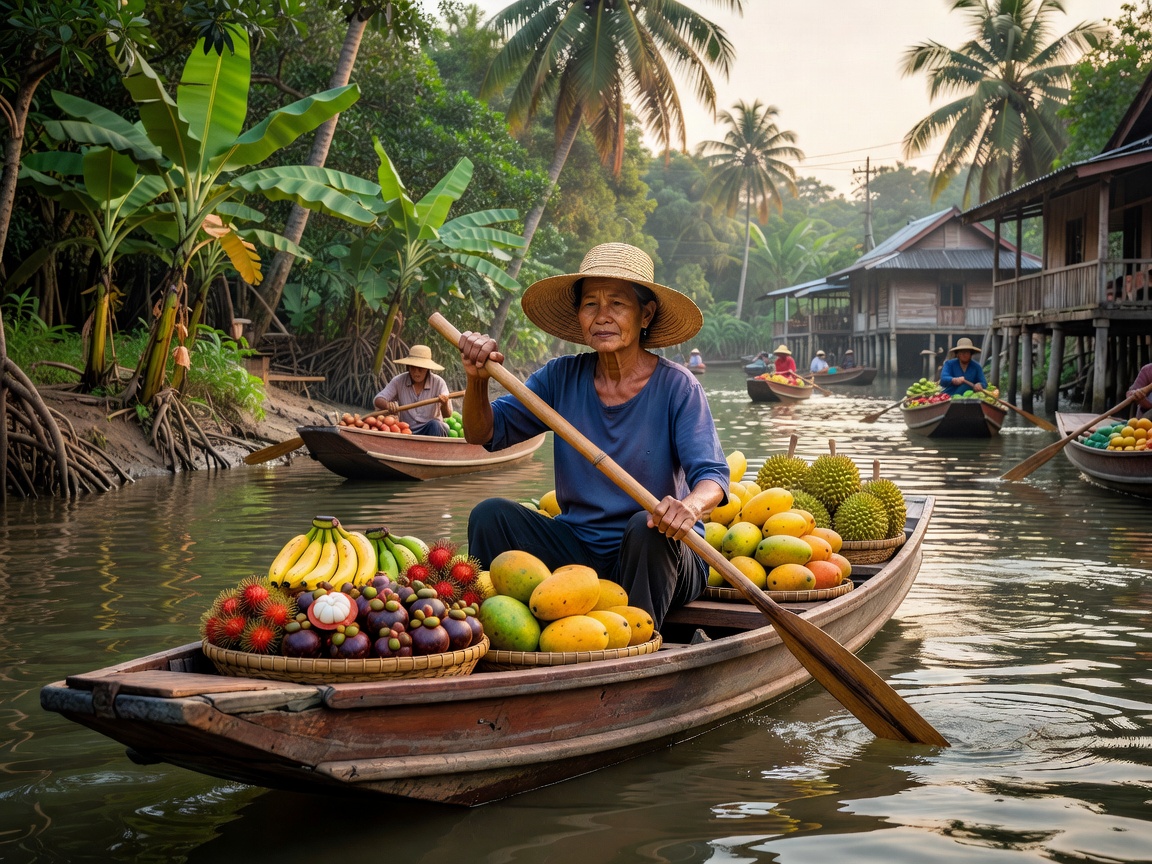
Damnoen Saduak in Ratchaburi province, about 100 kilometres southwest of Bangkok, is the most famous floating market. It is touristy, but the boats of fruit, noodles and coconut sweets are real. Arrive before 8 a.m.; by 10 it is crowded and prices rise.
Many tours combine it with the Maeklong Railway Market in Samut Songkhram, where stallholders pull back their awnings several times a day so a train can pass through. Check the train times before you go, since the schedule changes.
Back in town, see the temple and market etiquette notes, or head north with our Chiang Mai guide.